

Old photographs, credited
The black-and-white pictures on our sites show Sunderland, Wearside, the wider North East and the Post Office at work. Here is where each one comes from.
Most of these images are shared by Tyne & Wear Archives & Museums through Flickr Commons, mirrored on Wikimedia Commons. The Post Office photographs are Ministry of Information pictures held by Imperial War Museums. Thank you to them for keeping this history open to everyone.
Sunderland and Roker (Sunderland Business Address)
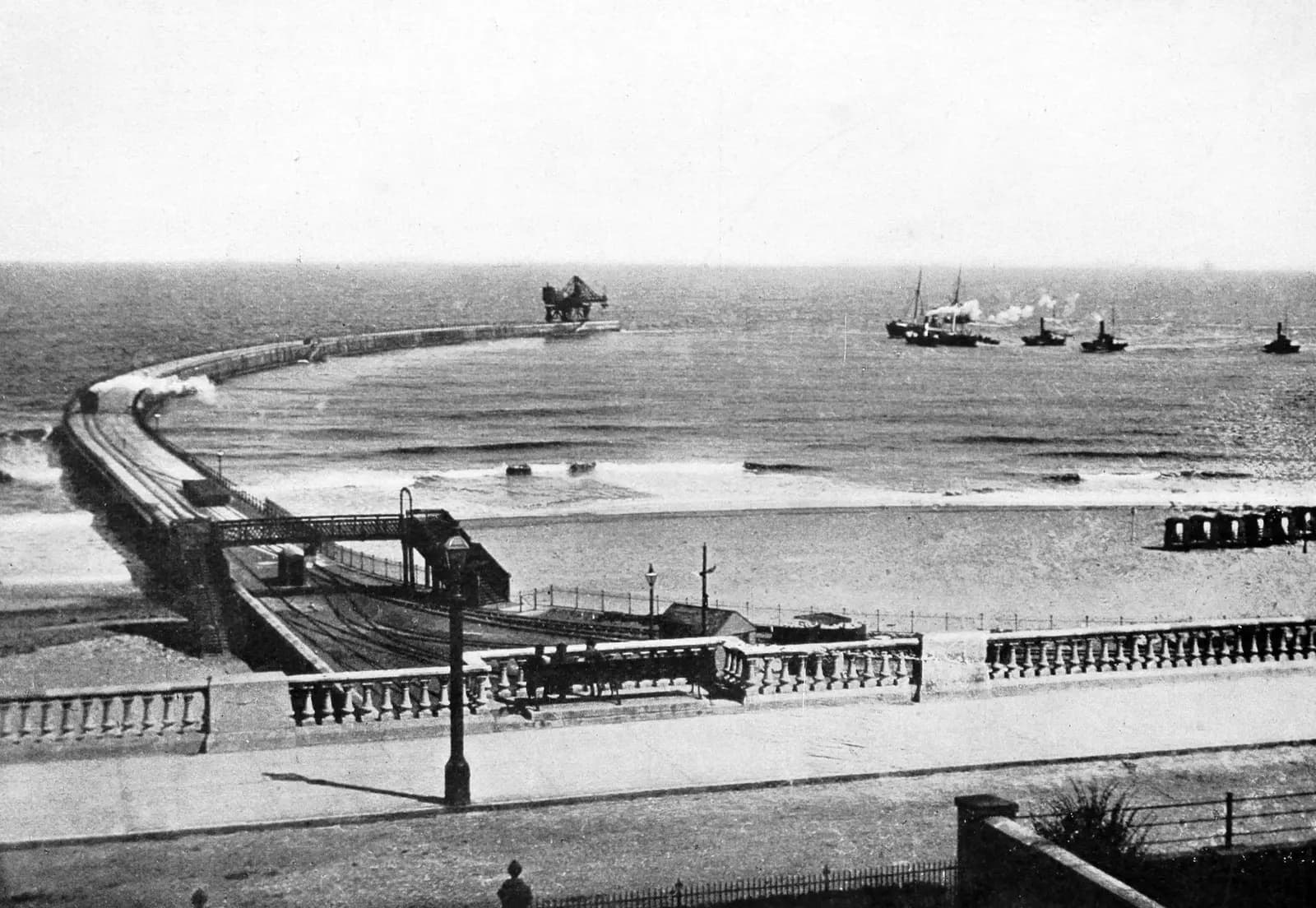
Roker Pier and promenade, 1899.
- Date
- 1899
- Credit
- Cassier's Magazine, 1899 (public domain; credit optional).
- Licence
- Public domain (published 1899, author Joseph Horner)
- Source
- Wikimedia Commons
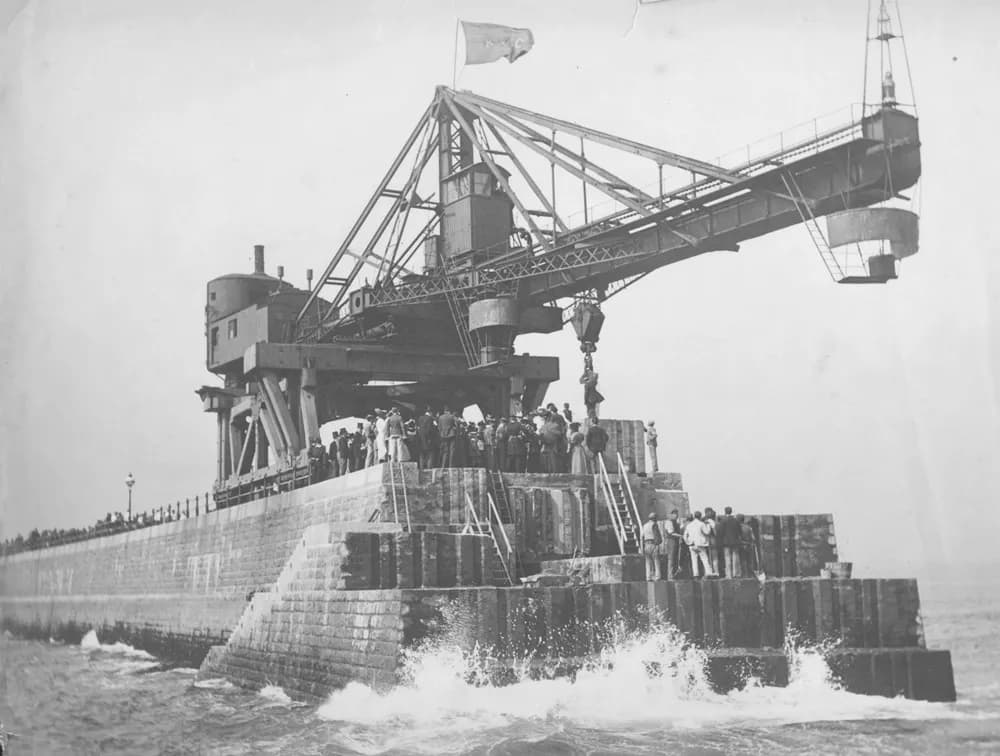
Crowds gather on the unfinished Roker Pier to watch a block laid during the Channel Fleet visit, 1895.
- Date
- 10 September 1895
- Credit
- Courtesy of Tyne & Wear Archives & Museums.
- Licence
- No known copyright restrictions (Flickr Commons)
- Source
- Wikimedia Commons
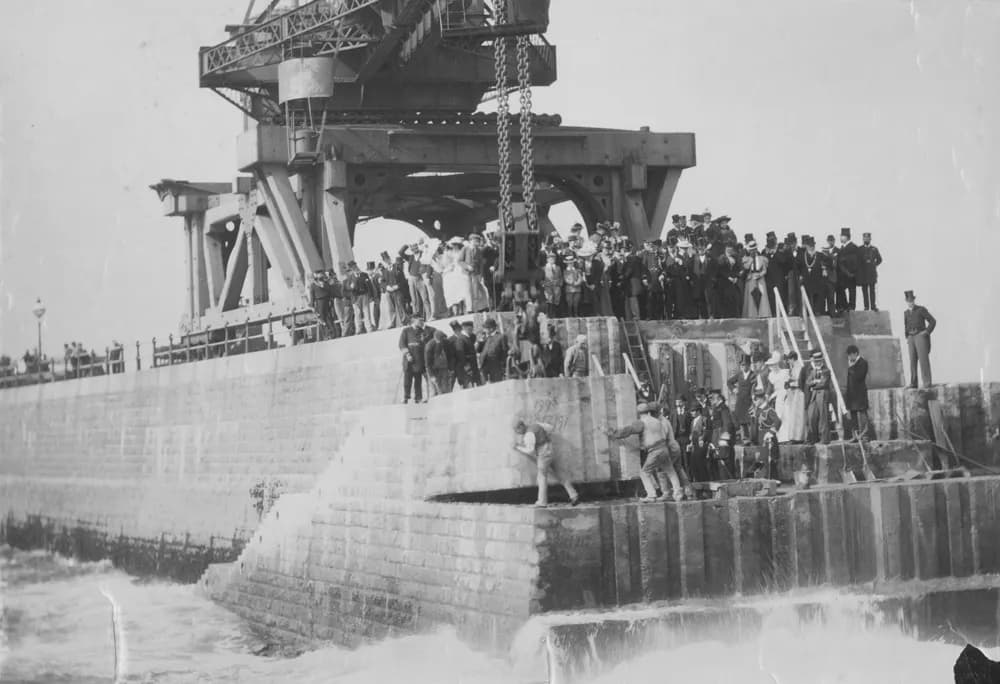
Laying a 45 ton block on Roker Pier, 1895.
- Date
- 10 September 1895
- Credit
- Courtesy of Tyne & Wear Archives & Museums.
- Licence
- No known copyright restrictions (Flickr Commons)
- Source
- Wikimedia Commons
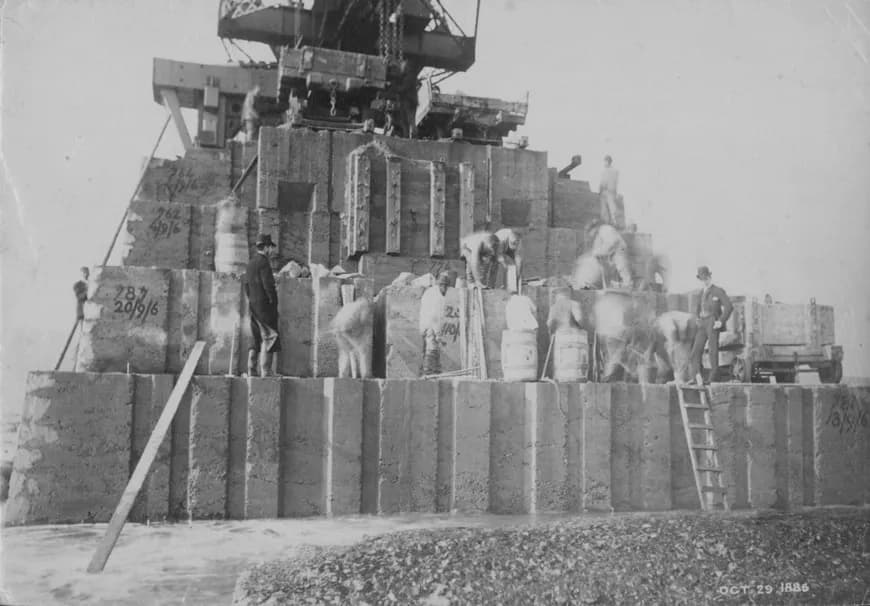
Building Roker Pier, 1886.
- Date
- 29 October 1886
- Credit
- Courtesy of Tyne & Wear Archives & Museums.
- Licence
- No known copyright restrictions (Flickr Commons)
- Source
- Wikimedia Commons
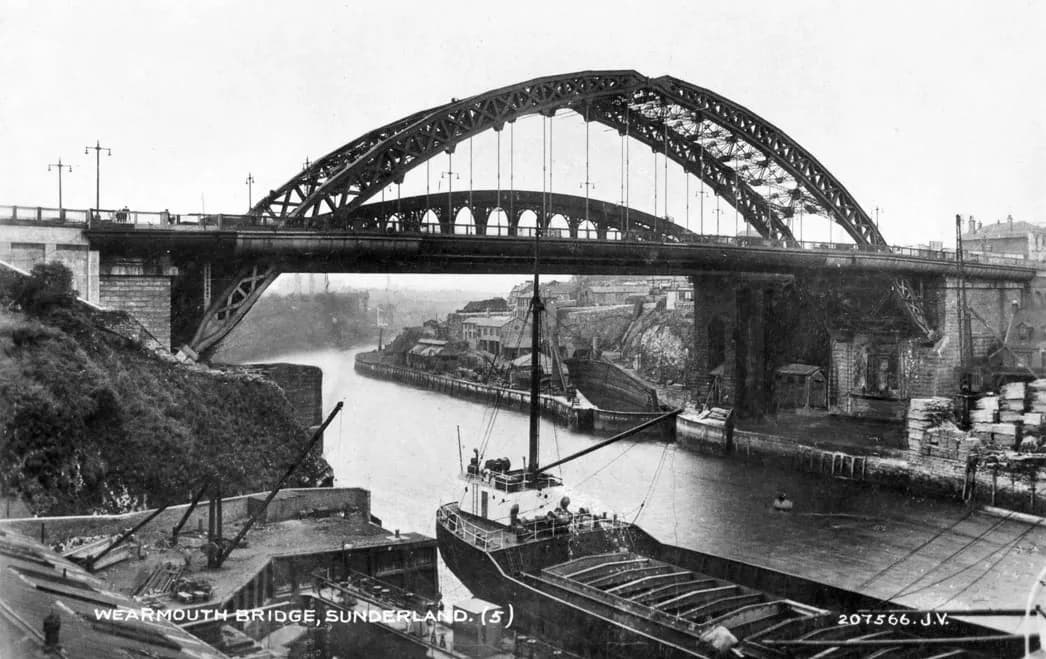
Wearmouth Bridge on a postcard from around 1930.
- Date
- c. 1930
- Credit
- Courtesy of Tyne & Wear Archives & Museums.
- Licence
- No known copyright restrictions (Flickr Commons)
- Source
- Wikimedia Commons
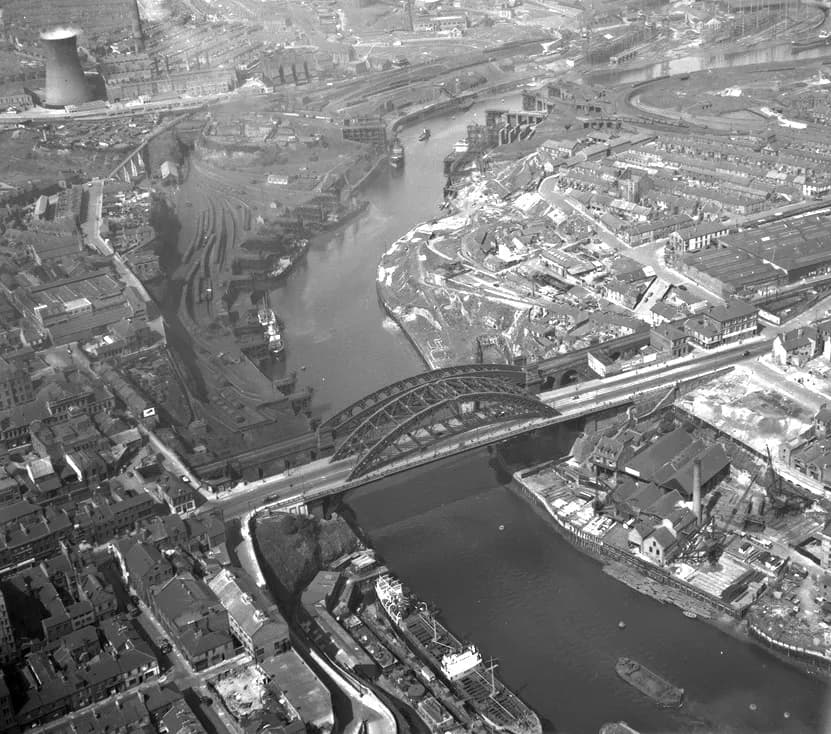
Wearmouth Bridge and the riverside from the air, 1949.
- Date
- May 1949
- Credit
- Courtesy of Tyne & Wear Archives & Museums (TWAM DT.TUR/2/2927F).
- Licence
- No known copyright restrictions (Flickr Commons)
- Source
- Wikimedia Commons
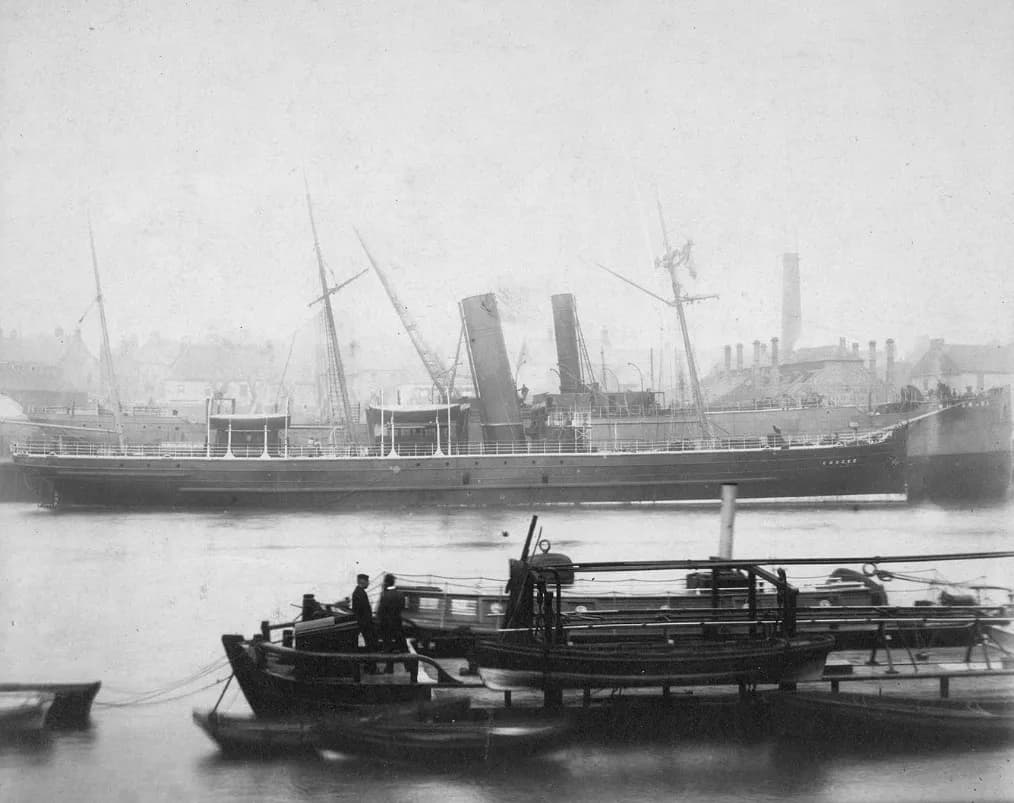
Two Sunderland-built ships side by side at Manor Quay, around 1888.
- Date
- c. 1888
- Credit
- Courtesy of Tyne & Wear Archives & Museums (TWAM DS.JLT/4/PH/1/224/2/2).
- Licence
- No known copyright restrictions (Flickr Commons)
- Source
- Wikimedia Commons
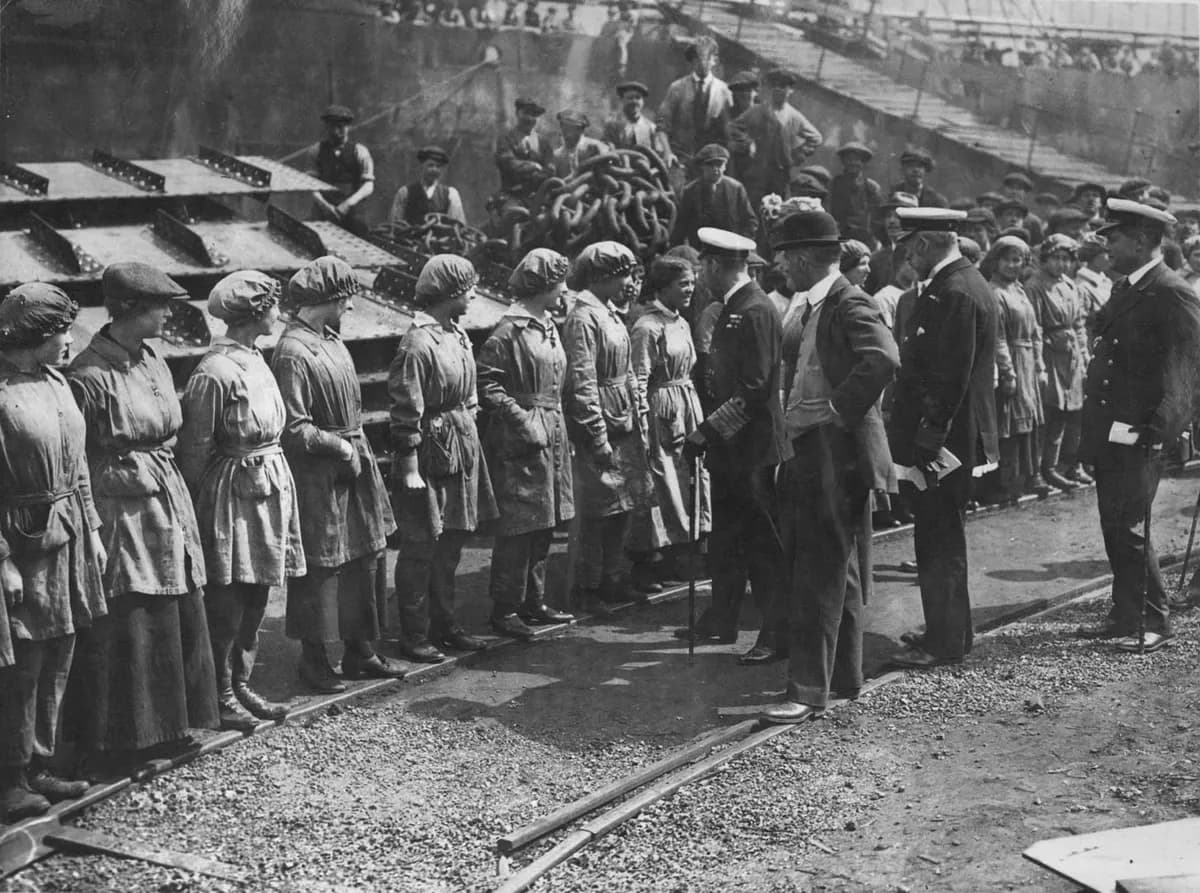
Women at work in a Wear shipyard greet the King, June 1917.
- Date
- 15 June 1917
- Credit
- Courtesy of Tyne & Wear Archives & Museums (DS.LG/5/1/1 pg127a).
- Licence
- No known copyright restrictions (Flickr Commons)
- Source
- Wikimedia Commons
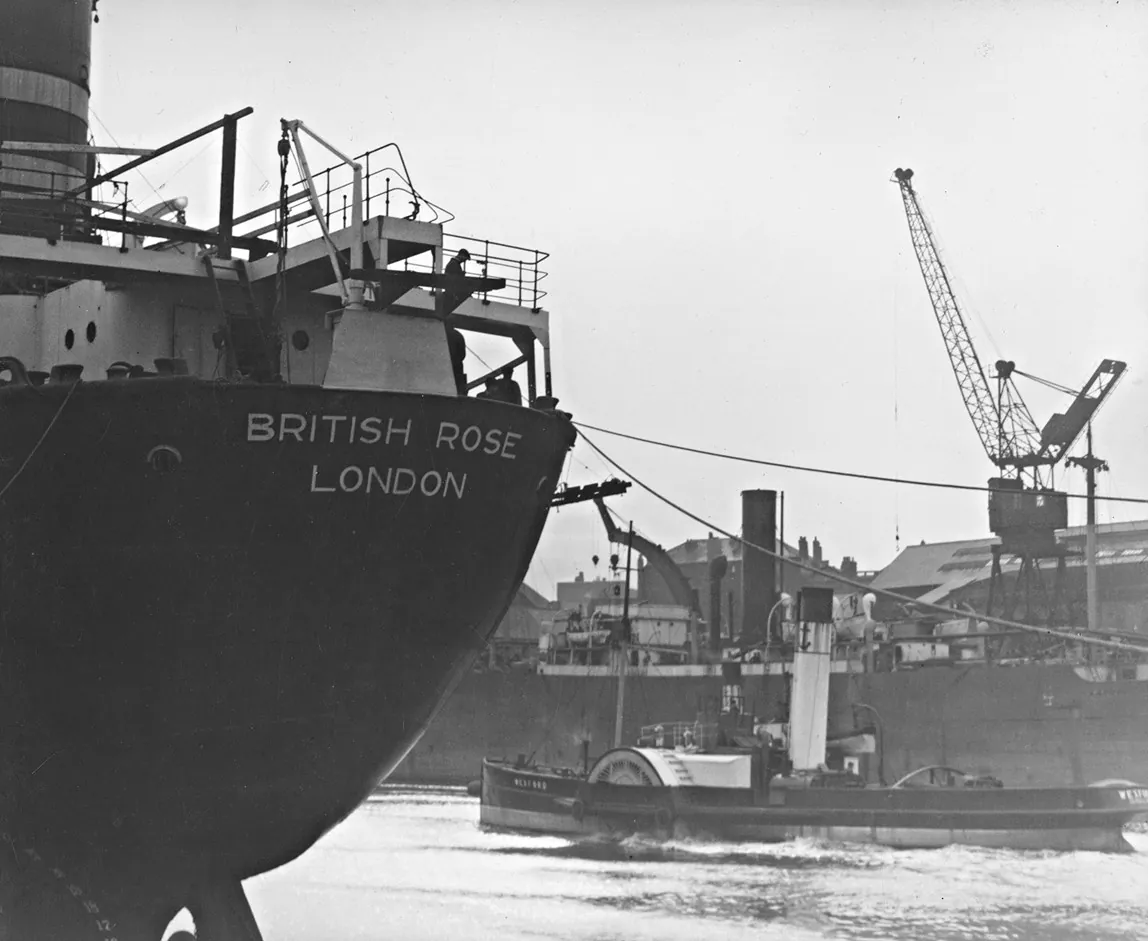
The new tanker British Rose at the fitting out quay, with the tug Wexford passing, 1946.
- Date
- 10 October 1946
- Credit
- Courtesy of Tyne & Wear Archives & Museums (TWAM DS.JLT/5/3/8).
- Licence
- No known copyright restrictions (Flickr Commons)
- Source
- Wikimedia Commons
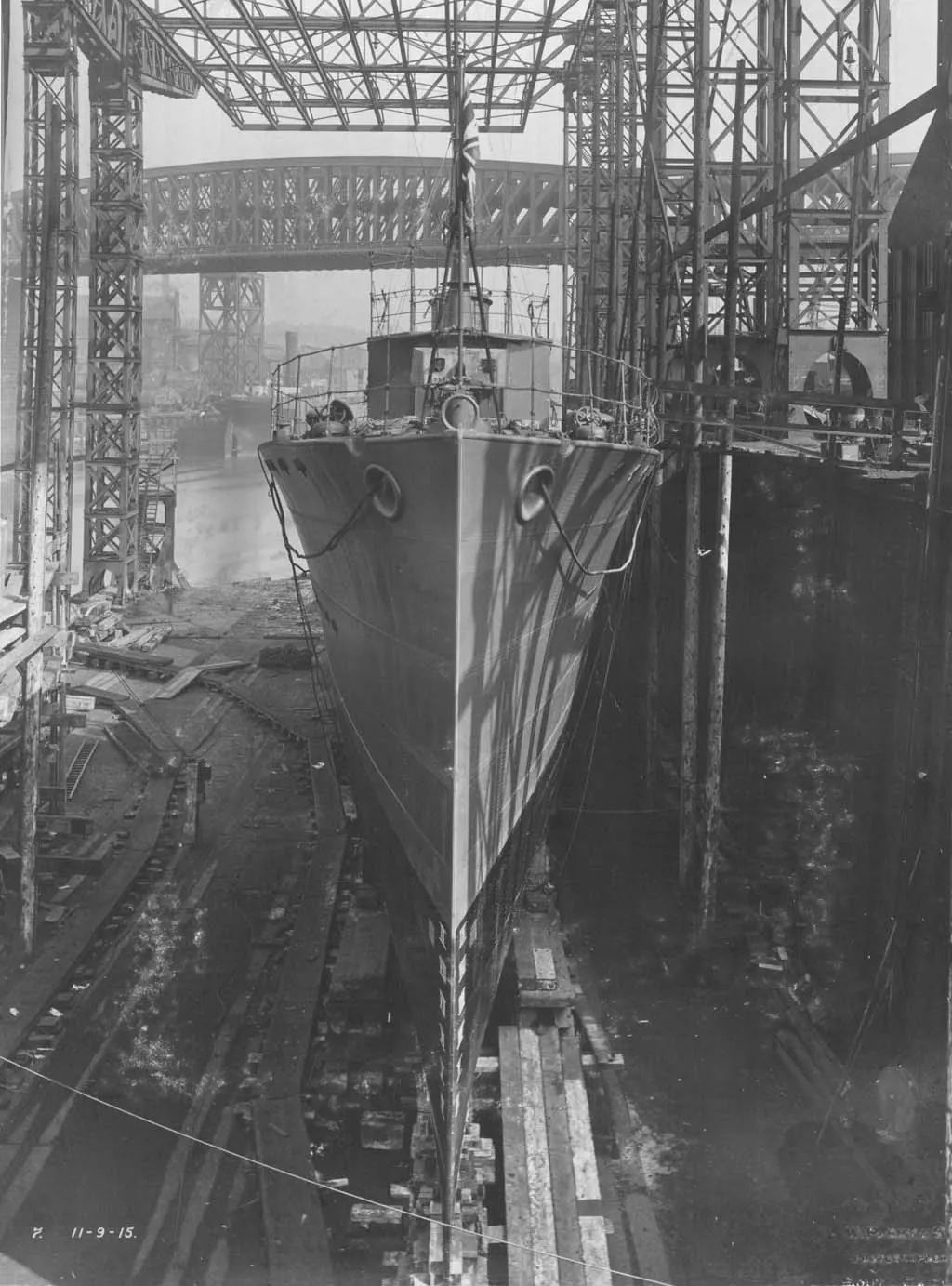
HMS Opal ready for launch at Doxford's yard, 1915.
- Date
- September 1915
- Credit
- Courtesy of Tyne & Wear Archives & Museums (TWAM DS.DOX/6/8).
- Licence
- No known copyright restrictions (Flickr Commons)
- Source
- Wikimedia Commons

.jpg)
.jpg)
.jpg)

.jpg)
.jpg)
.jpg)
.jpg)
.jpg)
Wearside (Wearside Business Address)
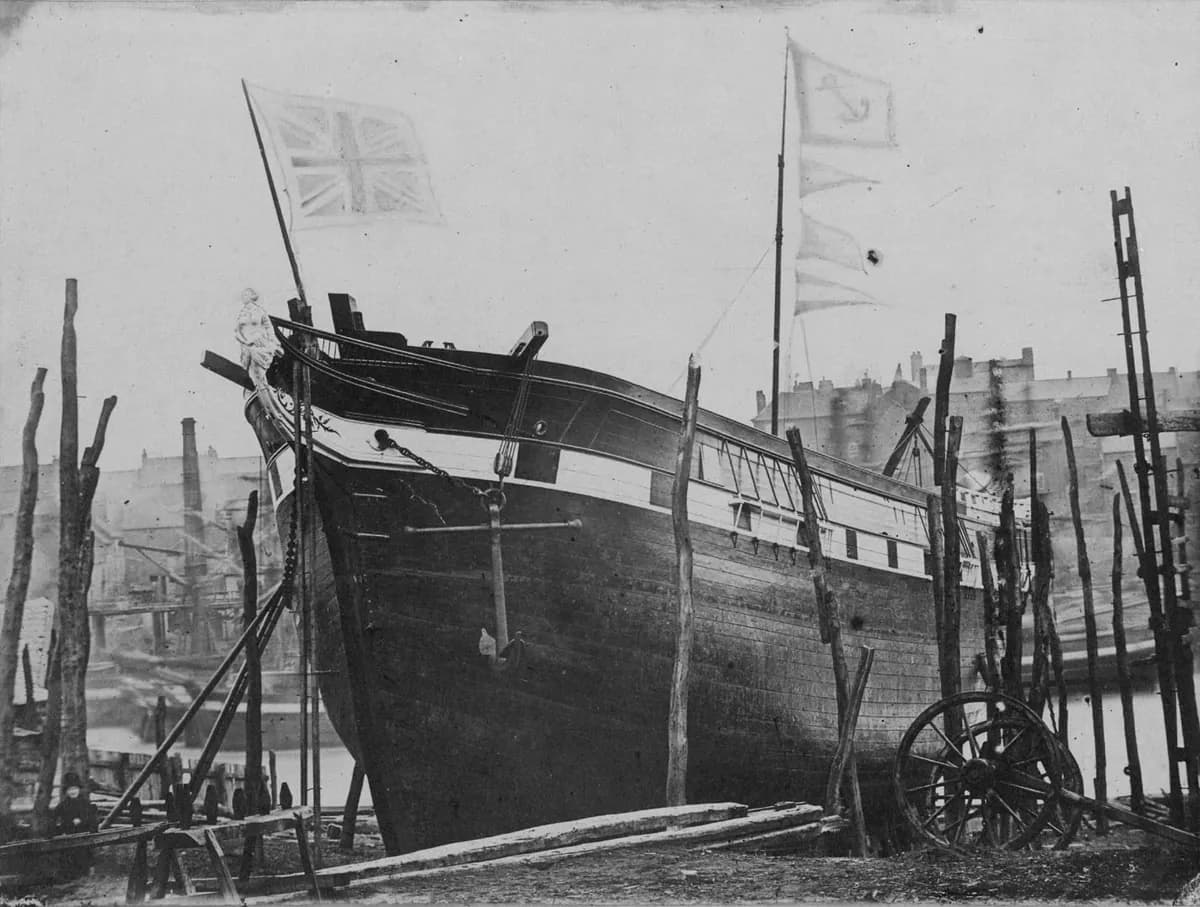
The barque Vencedora ready for launch at North Sands on the Wear, 1860.
- Date
- April 1860
- Credit
- Courtesy of Tyne & Wear Archives & Museums (TWAM DS.JLT/4/PH/1/70).
- Licence
- No known copyright restrictions (Flickr Commons)
- Source
- Wikimedia Commons
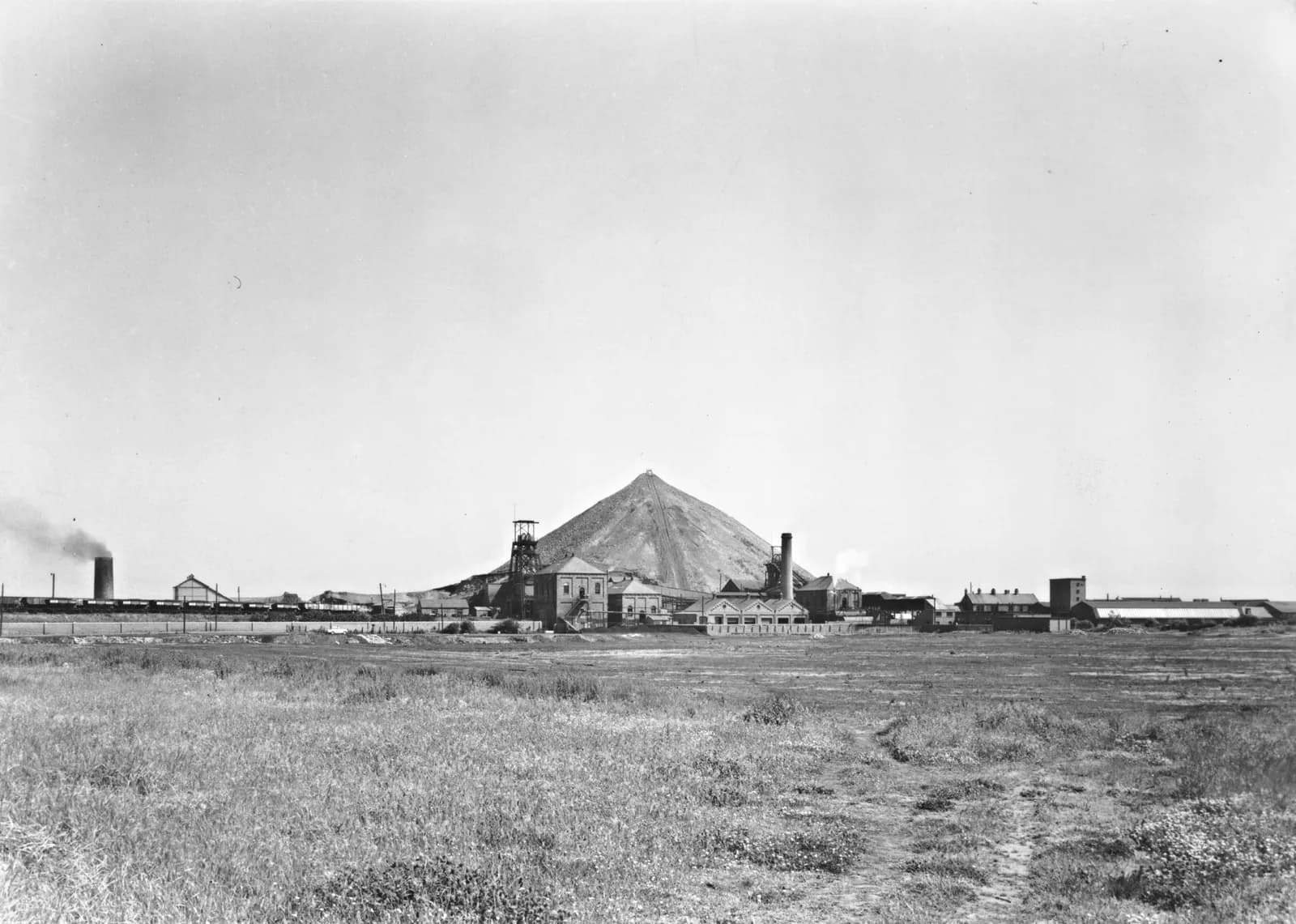
Washington F Pit and its pit heap, 1965. The pit closed in 1968.
- Date
- May 1965
- Credit
- Courtesy of Tyne & Wear Archives & Museums (TWAM 5417/120/5).
- Licence
- No known copyright restrictions (Flickr Commons)
- Source
- Wikimedia Commons
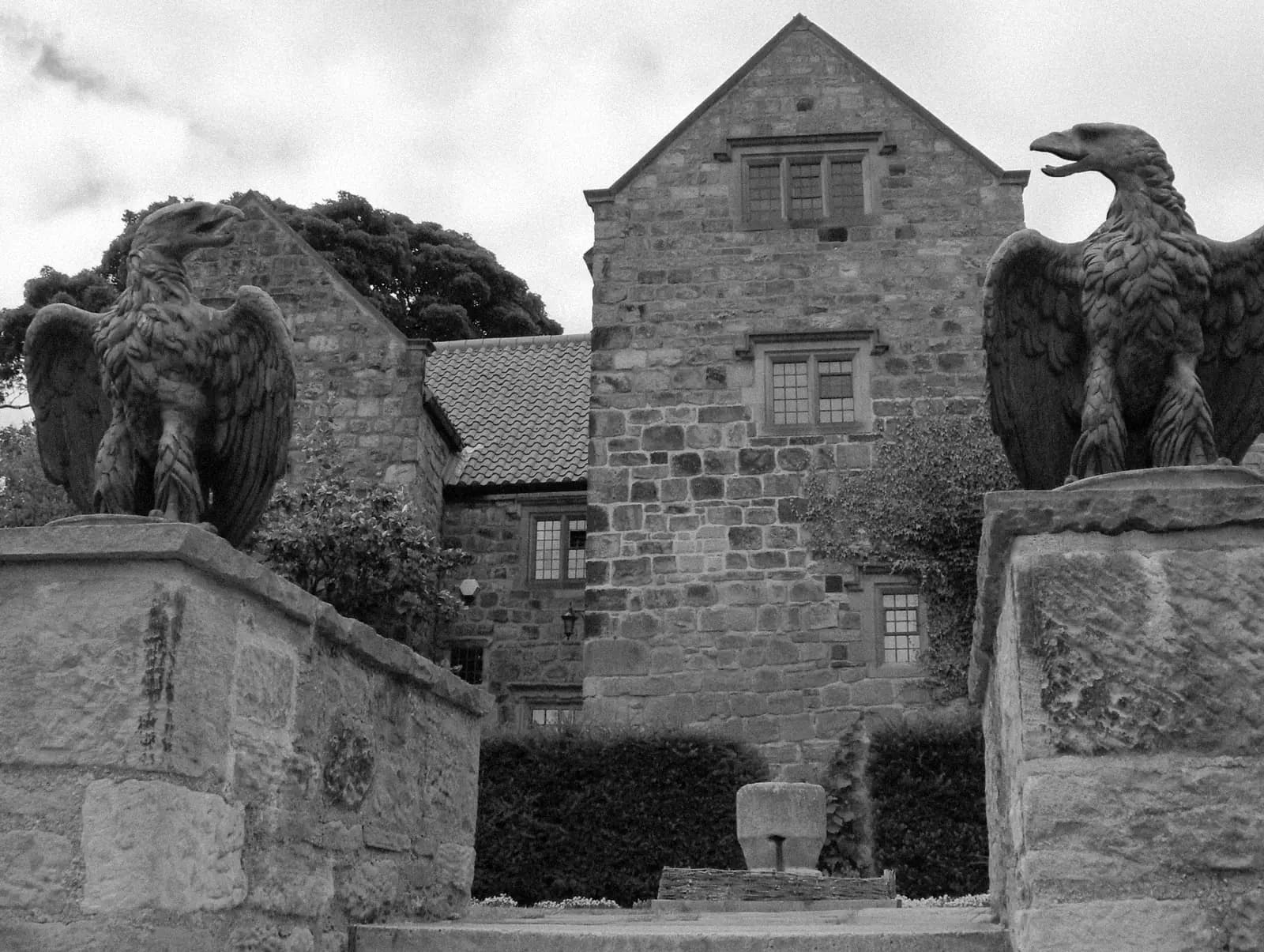
Washington Old Hall, the Washington family's old home, behind its eagle gate piers.
- Date
- 2005
- Credit
- ProhibitOnions at English Wikipedia, released into the public domain.
- Licence
- Public domain (released by the photographer) (photo, treated B&W)
- Source
- Wikimedia Commons
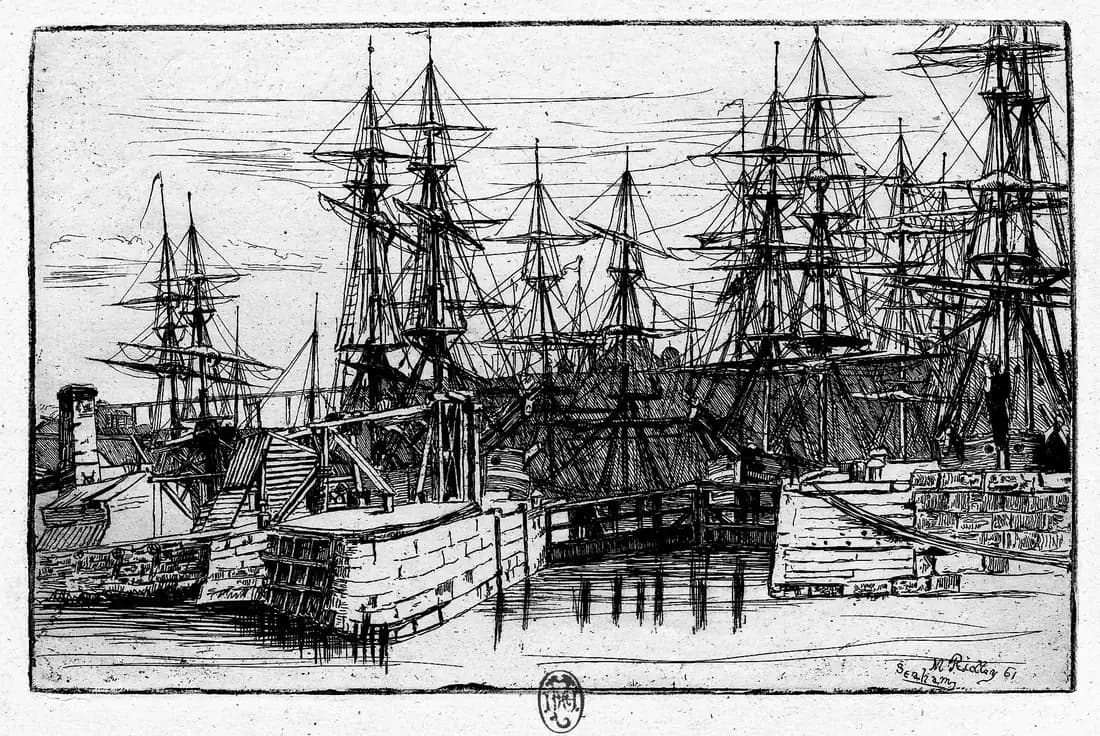
Sailing colliers packed into Seaham Harbour, 1861.
- Date
- 1861
- Credit
- Matthew White Ridley, etching, 1861. British Museum (P_2019-7015-588).
- Licence
- Public domain (artist died 1888)
- Source
- Wikimedia Commons
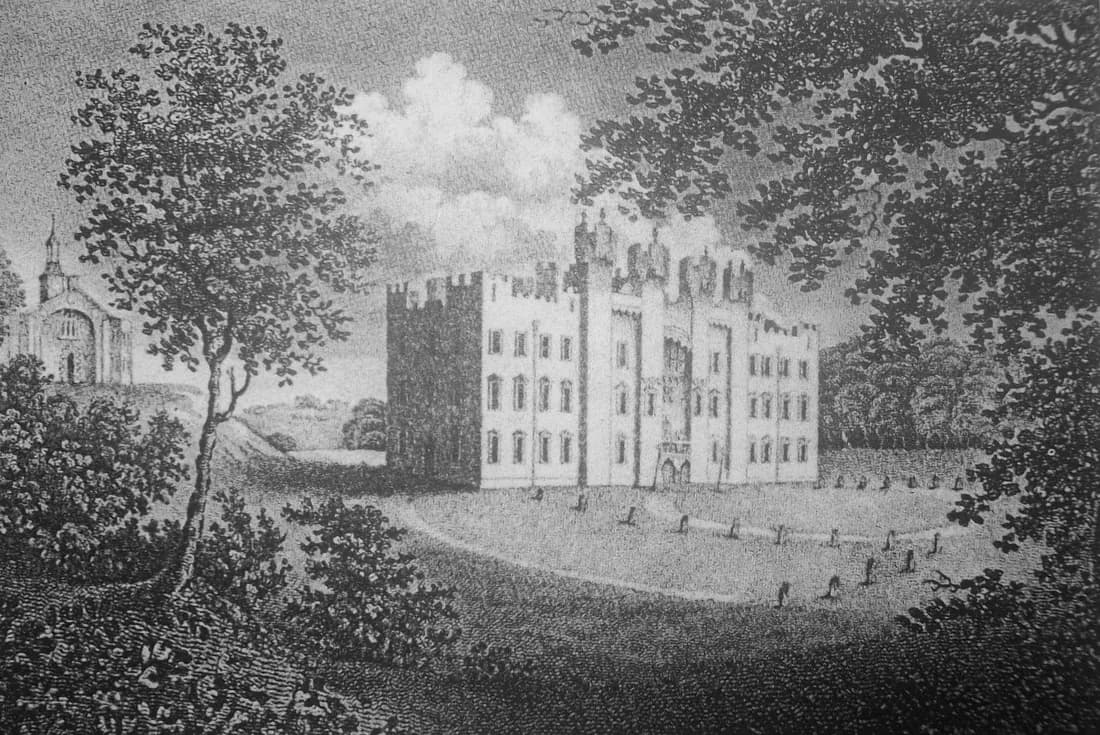
Hylton Castle on the north bank of the Wear, around 1800.
- Date
- c. 1800
- Credit
- Unknown artist, c. 1800, as reproduced in Lost Houses of County Durham (1993).
- Licence
- Public domain (artist unknown, over 200 years old)
- Source
- Wikimedia Commons
.jpg)
.jpg)


The North East (North East Business Address)
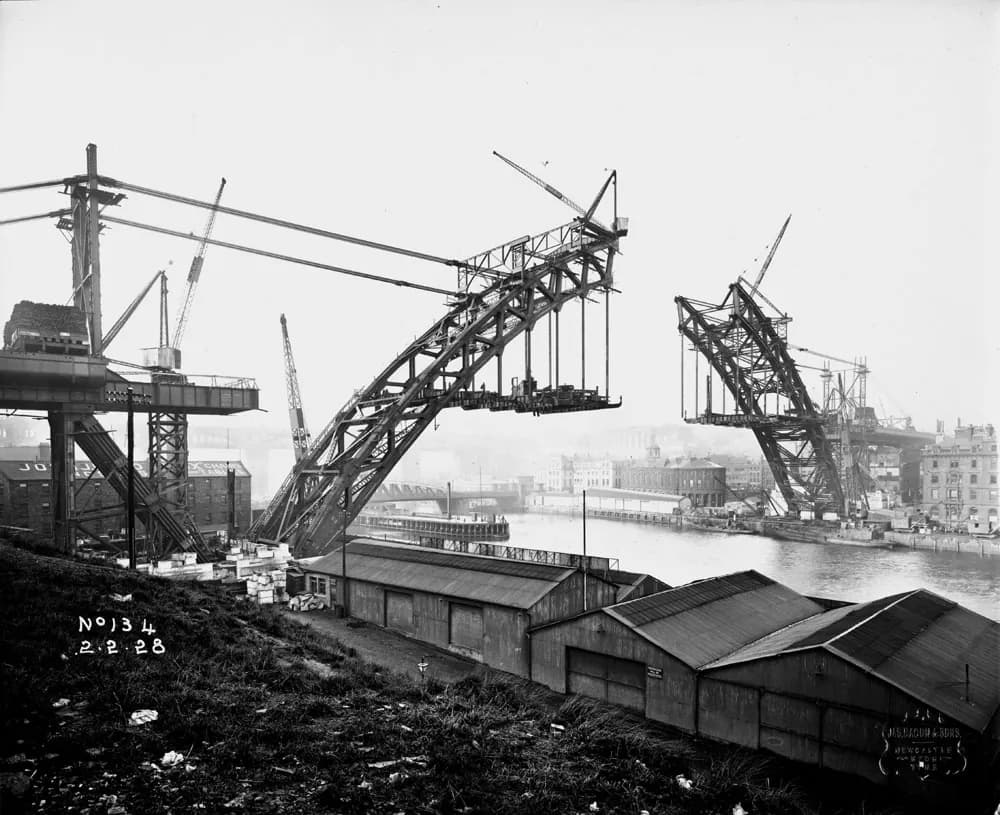
The two halves of the Tyne Bridge arch close in, seen from Gateshead, February 1928.
- Date
- 2 February 1928
- Credit
- Courtesy of Tyne & Wear Archives & Museums (TWAM 3730/15/6). Photograph by James Bacon & Sons.
- Licence
- No known copyright restrictions (Flickr Commons)
- Source
- Wikimedia Commons
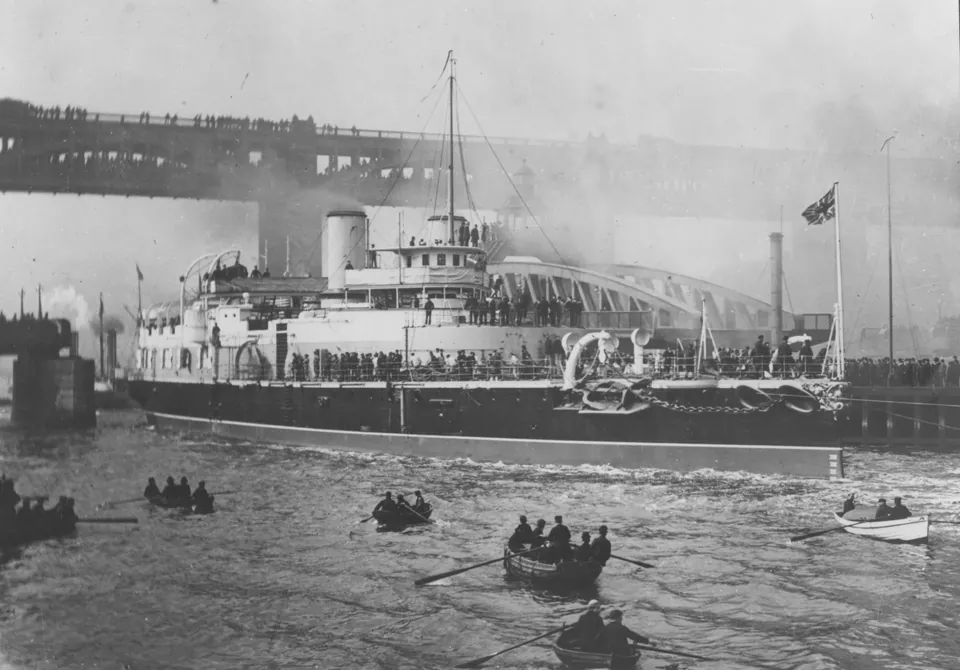
HMS Victoria passes through the Swing Bridge, Newcastle, 1889.
- Date
- 1889
- Credit
- Courtesy of Tyne & Wear Archives & Museums (TWAM D.VA/24/3).
- Licence
- No known copyright restrictions (Flickr Commons)
- Source
- Wikimedia Commons
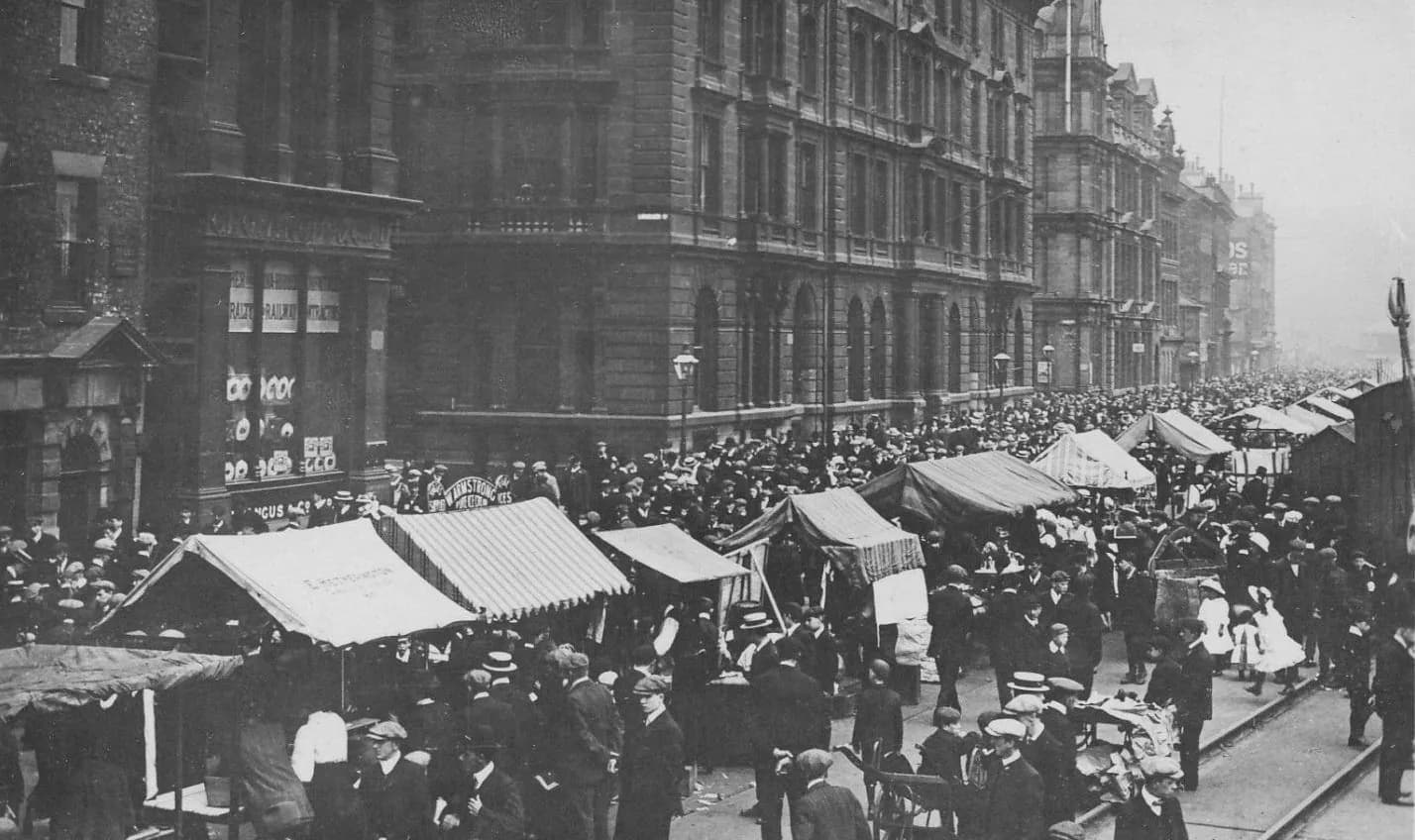
The Sunday market on Newcastle Quayside, on a postcard from around 1905.
- Date
- c. 1902 to 1914
- Credit
- Unknown photographer, postcard published between 1902 and 1914.
- Licence
- Public domain (anonymous work, more than 70 years old)
- Source
- Wikimedia Commons
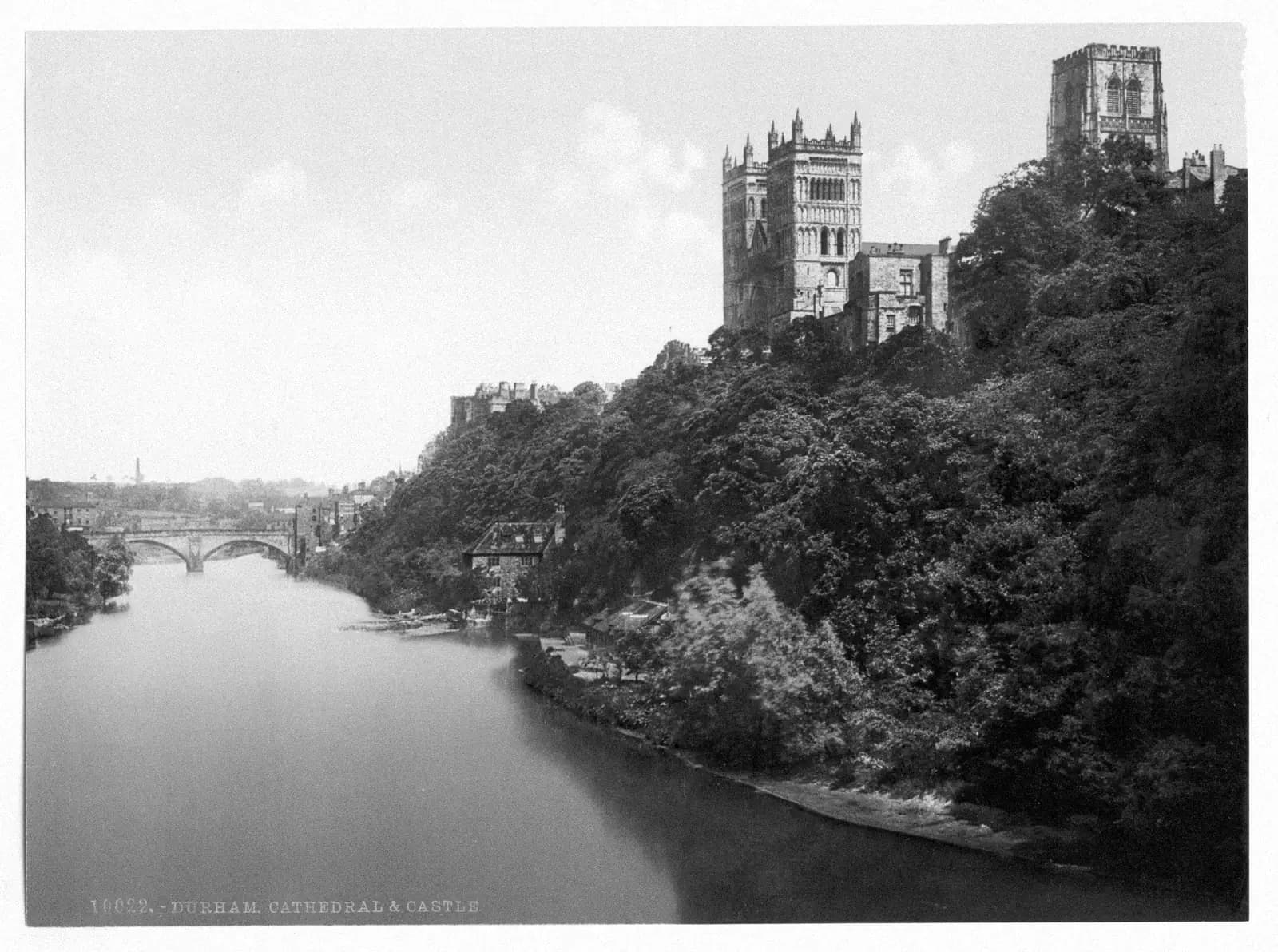
Durham Cathedral and Castle above the Wear, in the 1890s.
- Date
- c. 1890 to 1900
- Credit
- Photochrom Print Collection, Library of Congress (LCCN 2002696728).
- Licence
- Public domain (published before 1906) Colour photochrom print, shown here in black and white.
- Source
- Wikimedia Commons
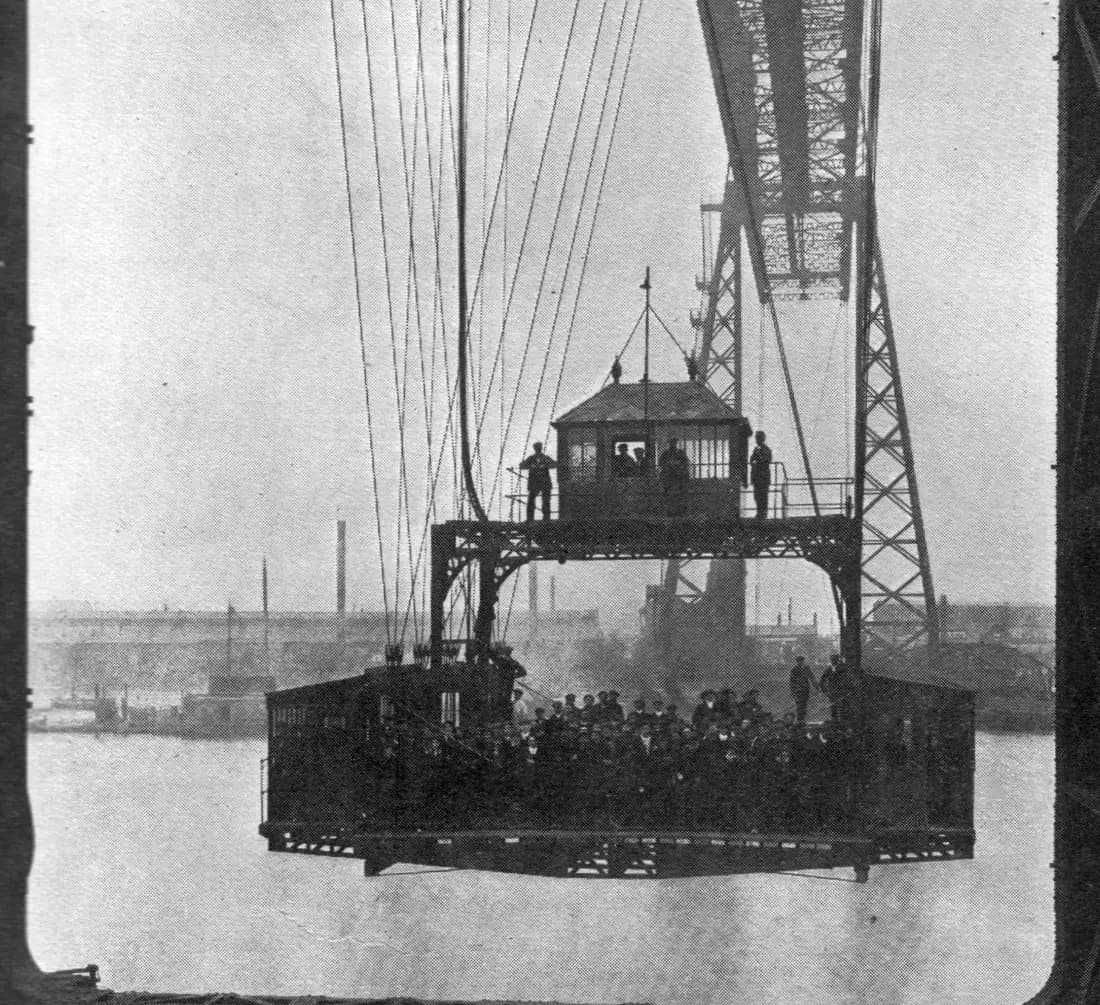
The Transporter Bridge carries passengers across the Tees at Middlesbrough, 1931.
- Date
- 1931
- Credit
- The Wonder Book of Engineering Wonders, Ward, Lock & Co., 1931.
- Licence
- Public domain in the UK (anonymous, published 1931)
- Source
- Wikimedia Commons
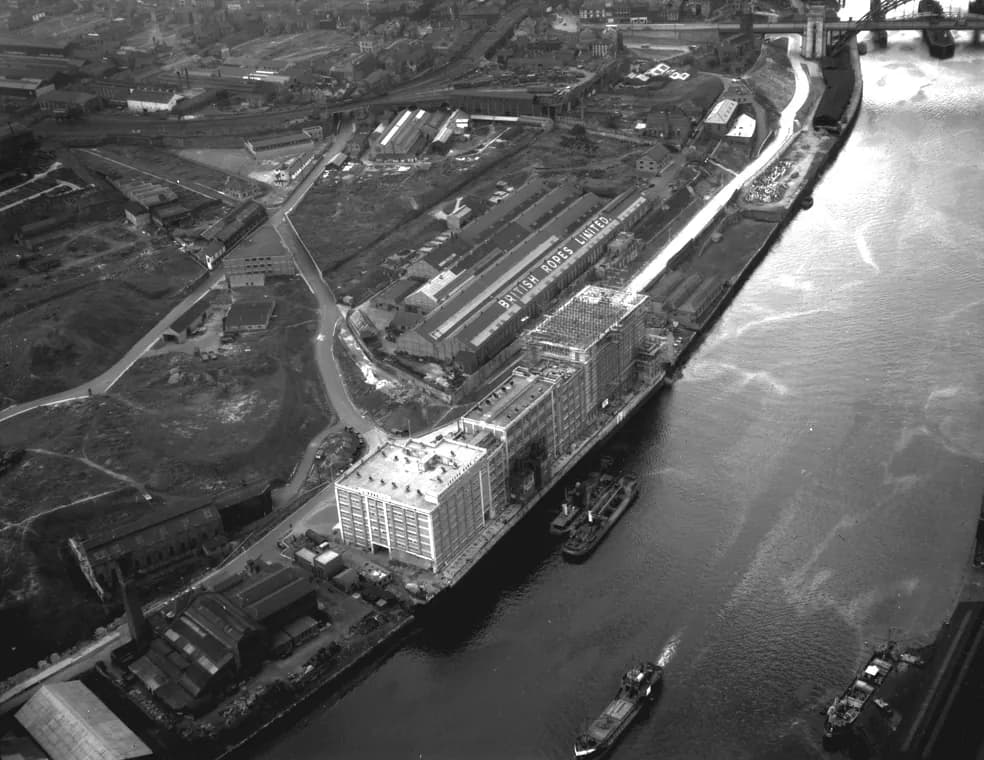
The Baltic Flour Mills nearly finished on the Gateshead riverside, 1949.
- Date
- August 1949
- Credit
- Courtesy of Tyne & Wear Archives & Museums (TWAM DT.TUR/2/3294C).
- Licence
- No known copyright restrictions (Flickr Commons)
- Source
- Wikimedia Commons

.jpg)


.jpg)
.jpg)
The Post Office at work (Business Address)
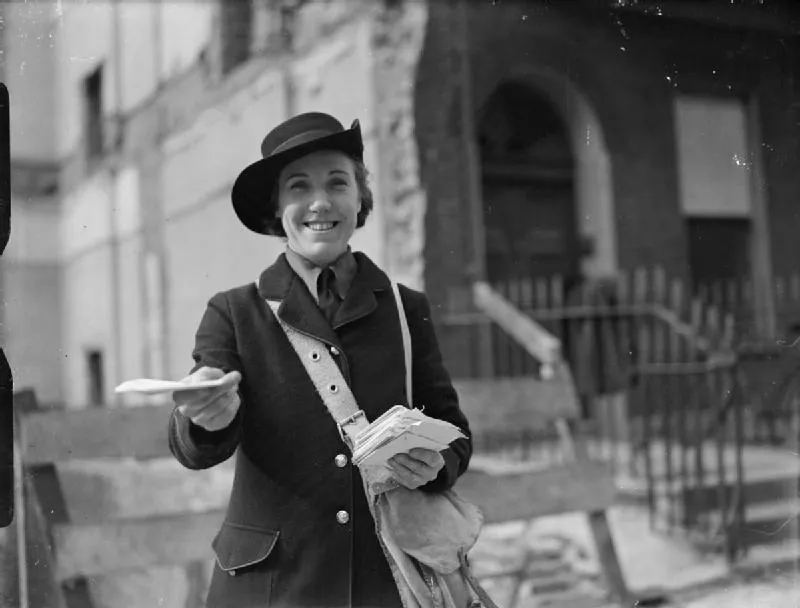
A postwoman on her round in London, 1941.
- Date
- October 1941
- Credit
- Imperial War Museums (D 5279). Ministry of Information photograph.
- Licence
- Public domain (UK Crown copyright expired, Ministry of Information photograph)
- Source
- Wikimedia Commons
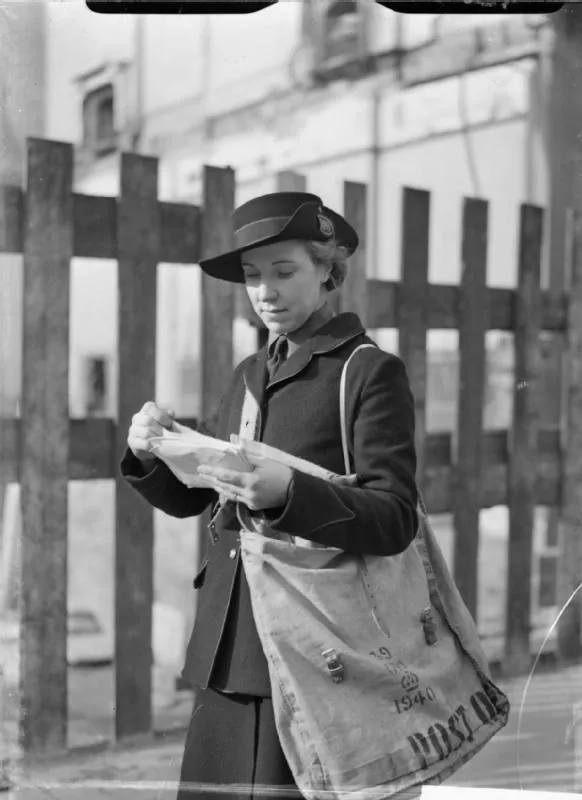
Checking the addresses on the next bundle of letters, London, 1941.
- Date
- October 1941
- Credit
- Imperial War Museums (D 5268). Ministry of Information photograph.
- Licence
- Public domain (UK Crown copyright expired, Ministry of Information photograph)
- Source
- Wikimedia Commons
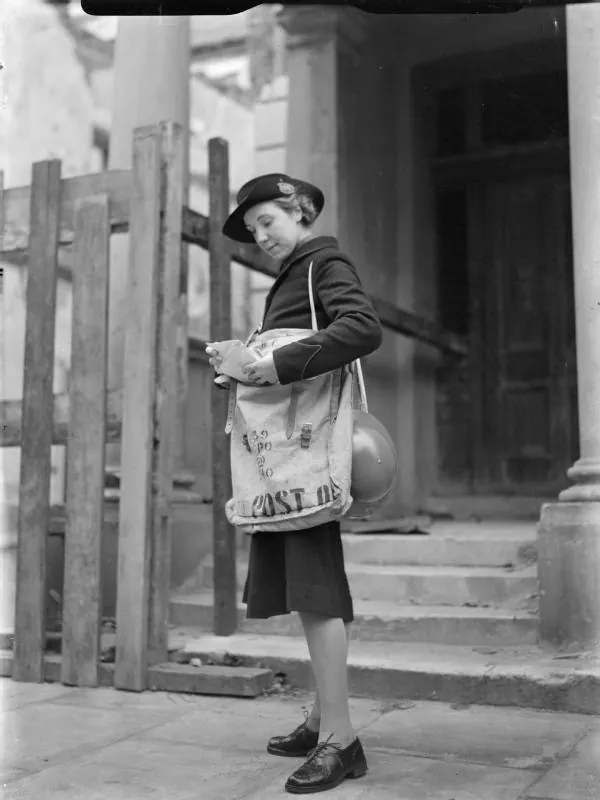
A postwoman checks her bag on her round, London, 1941.
- Date
- October 1941
- Credit
- Imperial War Museums (D 5233). Ministry of Information photograph.
- Licence
- Public domain (UK Crown copyright expired, Ministry of Information photograph)
- Source
- Wikimedia Commons
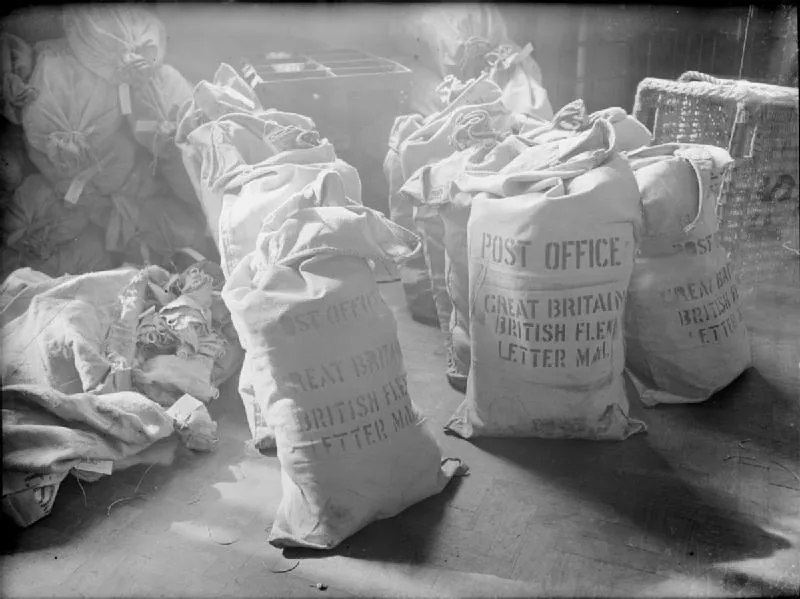
Sacks of letters waiting to go out from the King Edward Building, London, 1940.
- Date
- 1940
- Credit
- Imperial War Museums (D 2600). Ministry of Information photograph.
- Licence
- Public domain (UK Crown copyright expired, Ministry of Information photograph)
- Source
- Wikimedia Commons
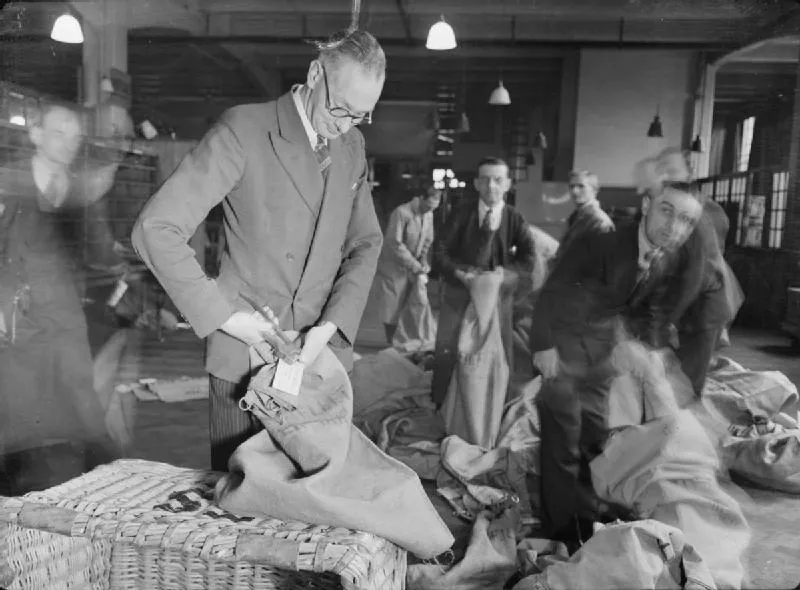
Sealing mail bags with lead, London, 1940.
- Date
- 1940
- Credit
- Imperial War Museums (D 2601). Ministry of Information photograph.
- Licence
- Public domain (UK Crown copyright expired, Ministry of Information photograph)
- Source
- Wikimedia Commons
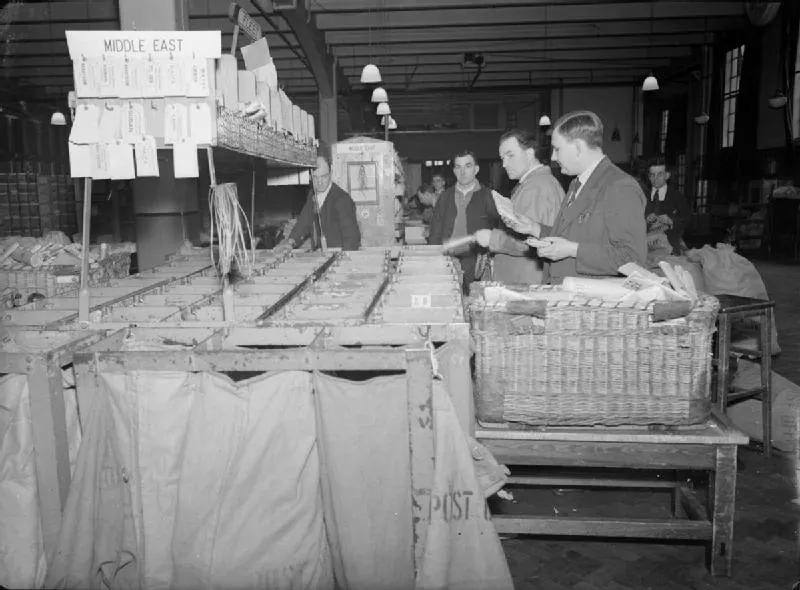
Sorting packets into mail bags, London, 1940.
- Date
- 1940
- Credit
- Imperial War Museums (D 2602). Ministry of Information photograph.
- Licence
- Public domain (UK Crown copyright expired, Ministry of Information photograph)
- Source
- Wikimedia Commons
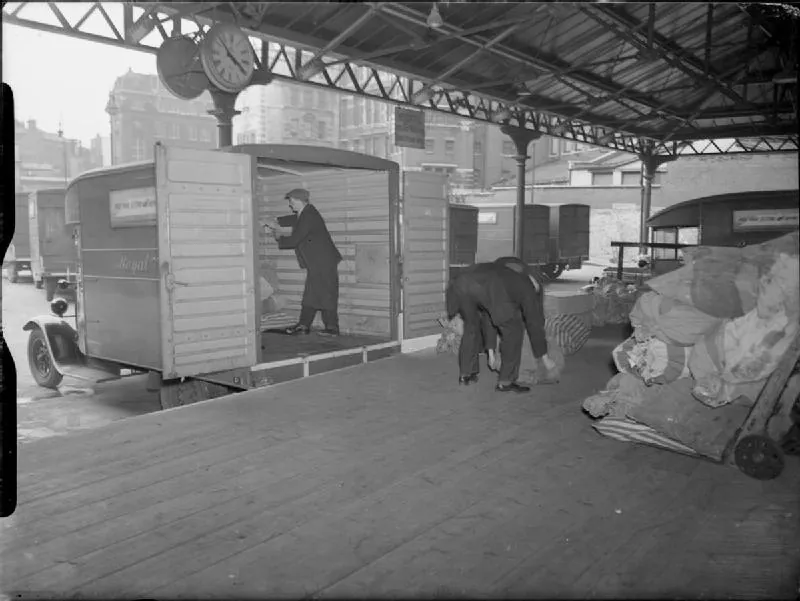
Loading mail vans at the King Edward Building, London, 1940.
- Date
- 1940
- Credit
- Imperial War Museums (D 2604). Ministry of Information photograph.
- Licence
- Public domain (UK Crown copyright expired, Ministry of Information photograph)
- Source
- Wikimedia Commons


